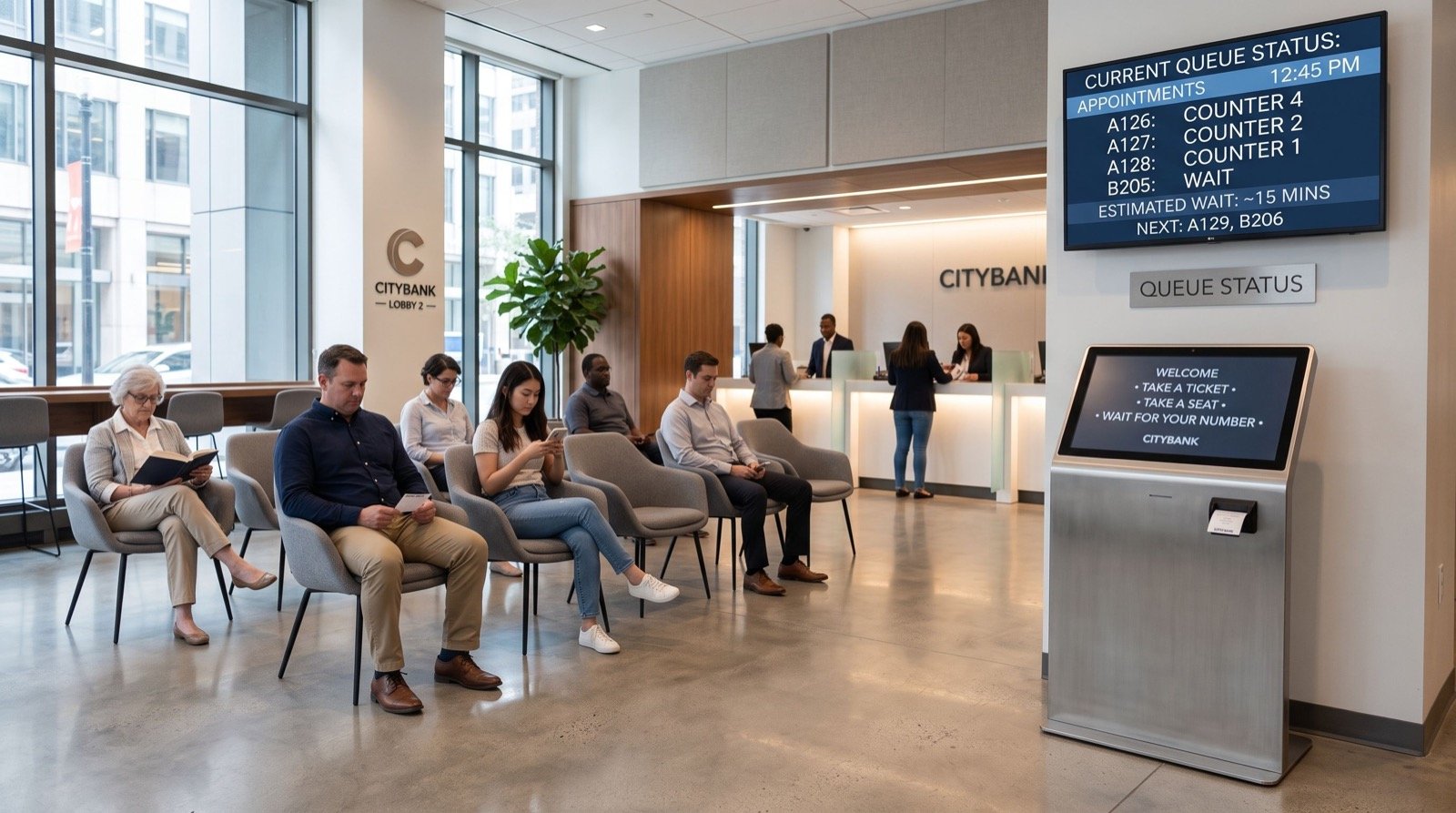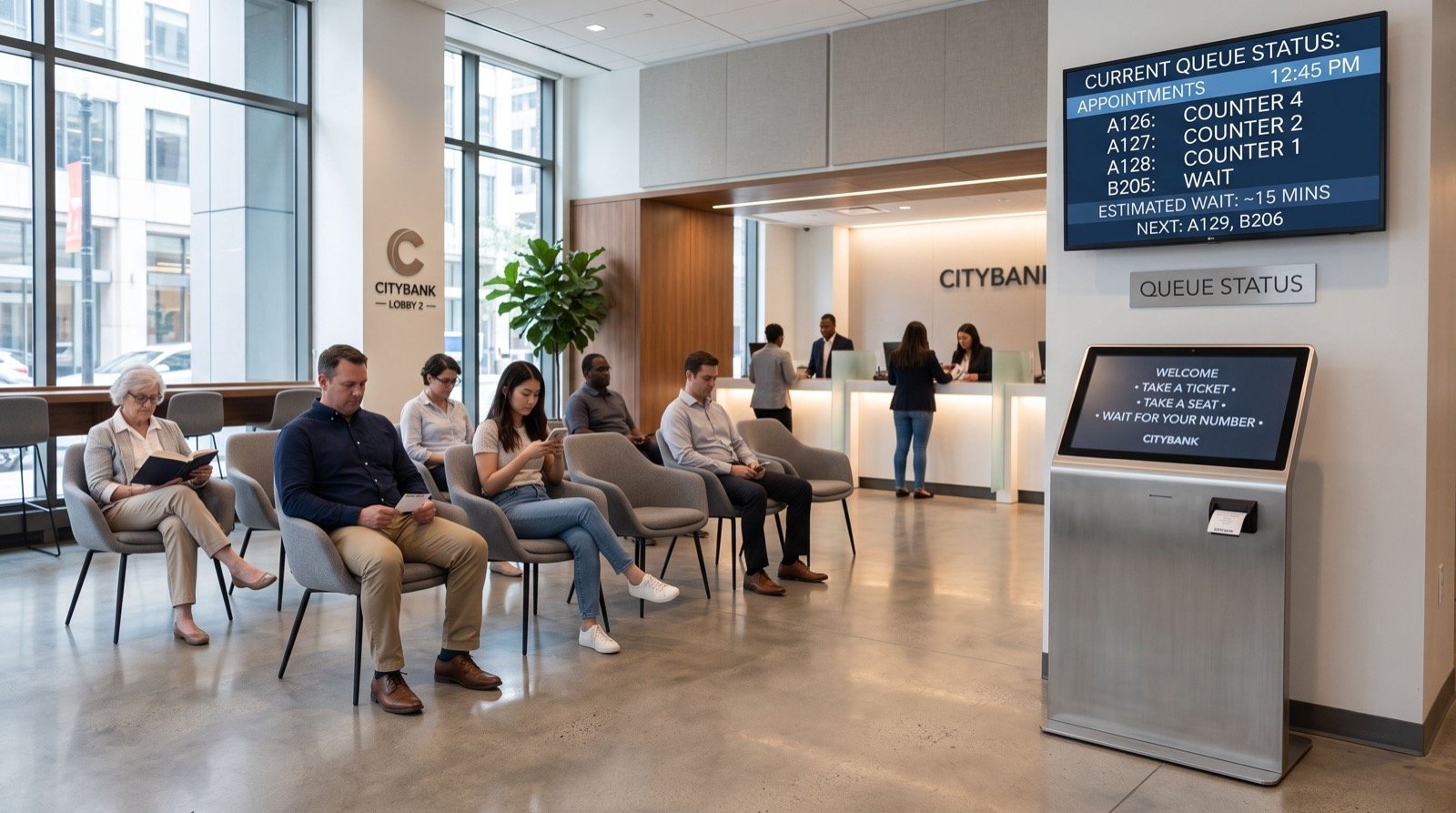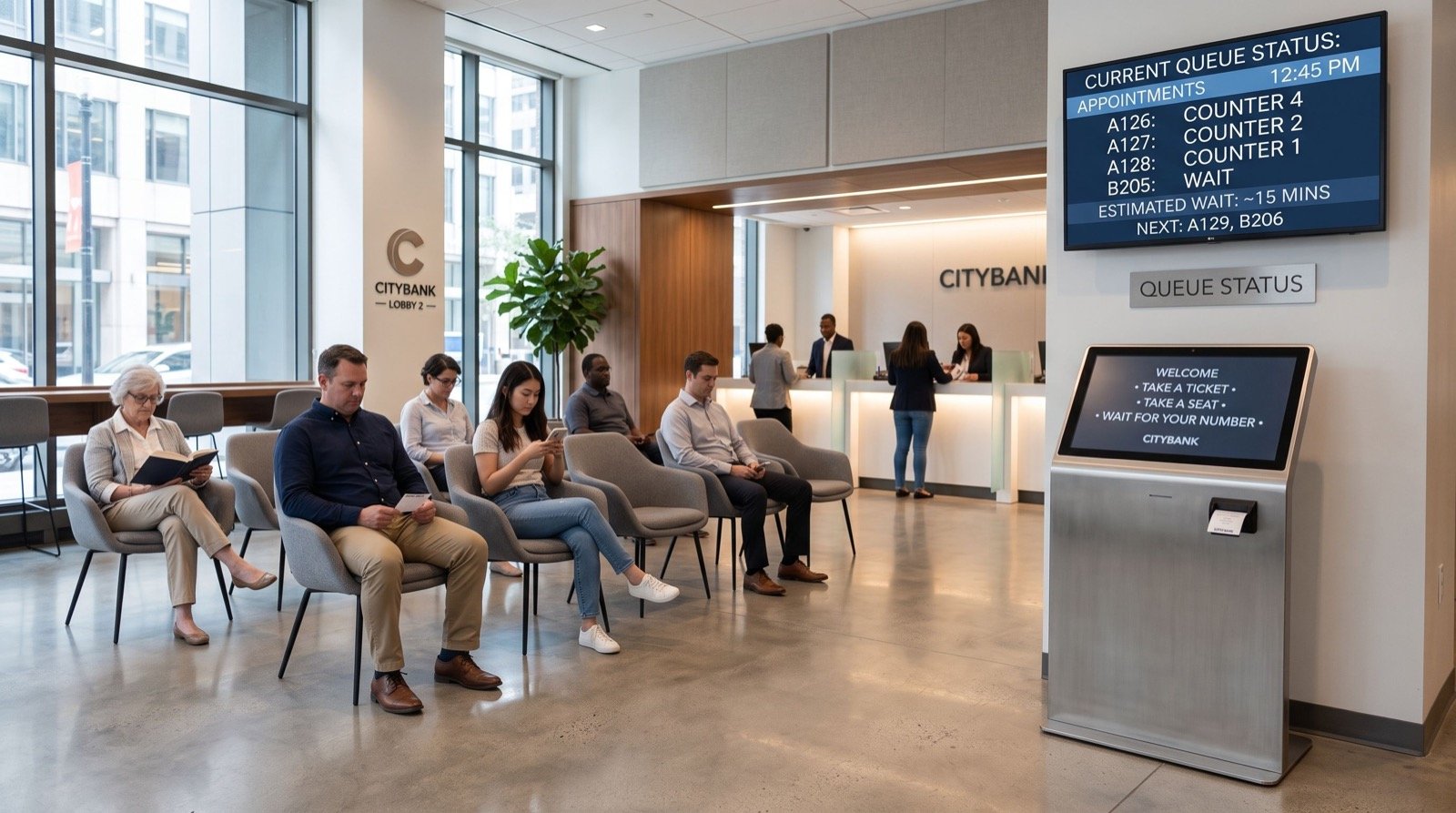
Rolling out a queue management system in Pakistan in 2026 is no longer a luxury reserved for large banks in Karachi or Lahore. Hospitals, service centres, telecom franchises, and busy retail chains are all discovering that organised digital queuing cuts complaints, lifts staff output, and produces the operational data managers have always lacked. The challenge is not whether to deploy, but how to plan a rollout that sticks.
This practical rollout guide is built from real implementation experience. It walks you through readiness checks, phased deployment, staff training, and the common mistakes that stall projects, so your queuing platform delivers value from week one rather than gathering dust.
Planning a Queue Management System Rollout in Pakistan
A successful rollout starts long before any kiosk is switched on. It begins with a clear picture of how customers actually move through your branch and where the friction lives.
Skipping this discovery phase is the single biggest reason deployments underperform. Map first, buy second.
Pre-rollout readiness checklist
- Measure peak-hour footfall for each service category over a full week.
- Confirm reliable power and network connectivity at kiosk and counter points.
- Decide between cloud hosting and an on-premise server for data control.
- Identify Urdu and English display needs and any regional language support.
- Set clear service-level targets so you can measure improvement later.
What Are the Phases of a Smart Queuing Deployment?
The cleanest rollouts move in stages rather than a single risky switch-over. A phased approach lets you learn from a pilot branch before scaling nationwide.
Each phase should end with a review so you can adjust routing rules, signage placement, and staffing before committing to the next.
A proven five-phase sequence
- Pilot: Install in one representative branch and observe real behaviour.
- Tune: Refine routing logic, wait-time estimates, and announcements.
- Train: Coach agents and floor staff on the new workflow.
- Scale: Replicate the validated setup across remaining branches.
- Optimise: Use analytics to fine-tune staffing and peak coverage.
When a rollout spans multiple cities, on-the-ground support matters. Partnering with reliable local experts keeps installation, training, and after-sales service consistent across every site.
Staff adoption deserves as much attention as hardware. Even the best platform fails if agents bypass it during a rush, so appoint a floor champion at each branch who owns the new workflow. Short daily huddles in the first week surface small frustrations early, and fixing those quickly turns sceptical staff into confident daily users. Adoption, not equipment, decides whether a rollout sticks.
Hardware, Software, and Integration Choices
The right component mix balances upfront cost against the experience you want to deliver. Not every branch needs every device on day one.
Use the table below to prioritise spending during a phased Pakistani rollout.
| Element | Role in Rollout | Phase to Add | Notes |
|---|---|---|---|
| Ticket kiosk | Entry point for visitors | Pilot | Urdu/English interface |
| Counter terminal | Calls next customer | Pilot | Logs service time |
| LED/LCD signage | Displays called numbers | Pilot | High-visibility placement |
| Central dashboard | Analytics and control | Tune | Cloud or local server |
| SMS/mobile ticketing | Virtual queuing | Scale | Reduces lobby crowding |
| Feedback device | Captures satisfaction | Optimise | Feeds improvement loop |
Connecting to CRM and telecom systems
Integration is where a queuing platform earns its keep. Linking it to your CRM lets agents greet returning customers by name and pull records instantly.
Regional expertise helps here. Vendors experienced with a queue management system in saudi arabia often bring the same enterprise-grade routing and reporting to Pakistani deployments, which shortens the learning curve considerably.
Beyond the Branch: Extending Flow Management Outdoors
Queuing logic is not limited to indoor counters. Quick-service restaurants and pharmacies increasingly manage vehicle lanes with the same fairness and timing principles.
If your business runs a drive-through, the flow-management mindset carries straight over. Solutions such as the HME Drive Thru in Riyadh show how order timing and lane sequencing can shave seconds off every car, and those gains translate to Pakistani outlets too.
Where outdoor flow control pays off
- Fast-food chains managing peak lunch and dinner rushes.
- Pharmacy pickup lanes during high-demand periods.
- Fuel and service stations balancing multiple bays.
The lesson is that queuing is a mindset, not just a lobby device. Once staff learn to think in terms of fair ordering and measured stages, they apply it everywhere, from a counter line to a car lane, and the whole operation feels calmer.
Avoiding the Rollout Mistakes That Waste Budget
Most failed deployments share a handful of avoidable errors. Knowing them in advance protects your investment and keeps the project on schedule.
Budget discipline matters too. Teams that phase their spending, validate one branch, and only then scale avoid the classic trap of paying for enterprise hardware that sits idle. Measure the wins at each stage, document them clearly, and use that evidence to justify the next wave of investment to your leadership team.
Industry guidance from research firms such as Gartner customer service research repeatedly shows that technology only succeeds when paired with staff adoption and clear metrics, and open standards from the W3C help keep digital touchpoints accessible to every visitor.
Top mistakes to sidestep
- Buying enterprise hardware before validating one branch.
- Skipping staff training and expecting instant adoption.
- Ignoring bilingual display needs for local customers.
- Failing to define success metrics before go-live.
Frequently Asked Questions
How long does a queue management system rollout in Pakistan take?
A single pilot branch can be live within days once hardware arrives. A phased multi-city rollout typically runs over several weeks to allow for tuning, training, and validation before full scale-up.
Does it support Urdu and English displays?
Yes. Modern platforms offer bilingual tickets, kiosks, and signage, and many support additional regional languages for wider accessibility.
Can I start small and expand later?
Absolutely. A phased approach is the recommended path. You validate one branch, refine the setup, then replicate it across other locations without a costly rebuild.
What ongoing support should I expect?
Look for local installation, staff training, and responsive after-sales service. On-ground support in your time zone prevents small issues from becoming downtime.
Conclusion: Deploy Smart, Scale Confidently
A well-planned queue management system in Pakistan turns crowded, unpredictable lobbies into calm, measurable service floors. By piloting first, training staff, and scaling on proven results, you protect your budget and win faster customer trust in 2026.
Ready to begin? Audit one busy branch this month, define your service targets, and request a pilot deployment from a vendor with regional installation experience. Your queues, and your customers, will thank you.